
Private air charter flights
Private air charter flights quote by the hour, so the class of jet decides most of the bill. A light jet runs $3,800 to $5,800 an hour and carries four to seven passengers. Shorter hops cost more per hour because the fixed costs spread over fewer miles.

Charter flights by route and price
Private air charter flights on the shortest pairs still land near a $4,000 floor, and Los Angeles to Las Vegas at 199 nm is the clearest example: a light jet quotes $4,000 to $6,000 one way for 0h 47m in the air.
Flight quotes are estimates until an operator confirms the aircraft, crew and date. The priced pairs follow. Los Angeles to San Francisco, 279 nm, runs $4,000 to $6,000. New York to Miami, 949 nm, runs $10,000 to $15,000. New York to Palm Beach, 902 nm, runs $9,500 to $14,500. Chicago to Miami, 1,023 nm, runs $10,500 to $16,000. Dallas to Las Vegas, 925 nm, runs $9,500 to $15,000. Atlanta to New York, 643 nm, runs $7,000 to $11,000. New York to Las Vegas, 1,935 nm, needs a fuel stop in a light jet at $22,000 to $33,500, or a super-midsize jet nonstop in 4h 37m for $33,500 to $46,000.
Prices are billed hours times the class hourly range, rounded to $500, with a one-hour minimum. Ask which terms apply before you compare two figures.
- New York → Miami2h 37m · light jet
- New York → Los Angeles5h 03m · super-midsize jet
- Los Angeles → Las Vegas1h 00m · turboprop
- New York → Palm Beach2h 30m · light jet
- Los Angeles → San Francisco1h 17m · turboprop
- Los Angeles → Cabo San Lucas2h 16m · light jet
- Dallas → Las Vegas2h 34m · light jet
- Chicago → Miami2h 48m · light jet
- Atlanta → New York1h 52m · light jet
- New York → Las Vegas4h 37m · super-midsize jet
- San Francisco → Las Vegas1h 33m · turboprop
- Denver → Aspen0h 38m · turboprop
- Houston → New York3h 15m · midsize jet
- Dallas → New York3h 09m · midsize jet
- Los Angeles → Honolulu5h 15m · super-midsize jet
- Seattle → Los Angeles2h 18m · light jet
- Phoenix → Los Angeles1h 25m · turboprop
- Boston → Palm Beach2h 51m · light jet
- Miami → Turks and Caicos1h 32m · light jet
- New York → Nantucket0h 56m · turboprop
- Dallas → Aspen1h 49m · light jet
- Los Angeles → Jackson Hole1h 56m · light jet
- New York → Aspen3h 53m · midsize jet
- Los Angeles → Aspen1h 51m · light jet
- New York → The Hamptons0h 35m · turboprop
- Chicago → New York1h 49m · light jet
- Dallas → Houston1h 02m · turboprop
- Miami → Nassau0h 52m · turboprop
- New York → Boston0h 51m · turboprop
- Washington, DC → New York0h 59m · turboprop

Flight times on key charter routes
Flight times on private air charter flights depend on the class flown, and New York to Miami takes 2h 37m in a light jet against 3h 37m in a turboprop, a full hour saved. Turboprops stay slower at 300 knots against 430 for a light jet, so the gap adds up on longer legs. Private air charter flights on the New York to Los Angeles route show 6h 15m in a light jet with a fuel stop, while a midsize jet trims it to 6h 08m. The stop itself eats more time than the cruise difference.
On a short hop such as Los Angeles to Las Vegas, the 199 nm distance gives 0h 47m in a light jet and 0h 46m in a midsize. A turboprop covers the 643 nm of Atlanta to New York in 2h 33m, a reasonable trade when the field is short. If the flight time runs under an hour, then you pay the one-hour minimum and the hourly rate matters more than the distance. Light jet and midsize jet times sit close together on most pairs.
Midsize jets run within a few minutes of light jets across this table, and the real spread appears on long legs where the larger cabin carries more fuel. A super-midsize jet at 470 knots closes the gap further. Flight times here are estimates until an operator confirms the aircraft and the day's winds.
| Flight | Distance | Turboprop | Light jet | Midsize jet |
|---|---|---|---|---|
| New York to Miami | 949 nm | 3h 37m | 2h 37m | 2h 34m |
| New York to Los Angeles | 2,129 nm | 8h 30m with a fuel stop | 6h 15m with a fuel stop | 6h 08m with a fuel stop |
| Los Angeles to Las Vegas | 199 nm | 1h 00m | 0h 47m | 0h 46m |
| New York to Palm Beach | 902 nm | 3h 27m | 2h 30m | 2h 27m |
| Los Angeles to San Francisco | 279 nm | 1h 17m | 0h 59m | 0h 58m |
| Los Angeles to Cabo San Lucas | 808 nm | 3h 08m | 2h 16m | 2h 14m |
| Dallas to Las Vegas | 925 nm | 3h 32m | 2h 34m | 2h 30m |
| Chicago to Miami | 1,023 nm | 3h 53m | 2h 48m | 2h 44m |
| Atlanta to New York | 643 nm | 2h 33m | 1h 52m | 1h 50m |
Block times: great-circle distance plus a 5% routing allowance at class cruise speed, with taxi, climb and descent.
By city

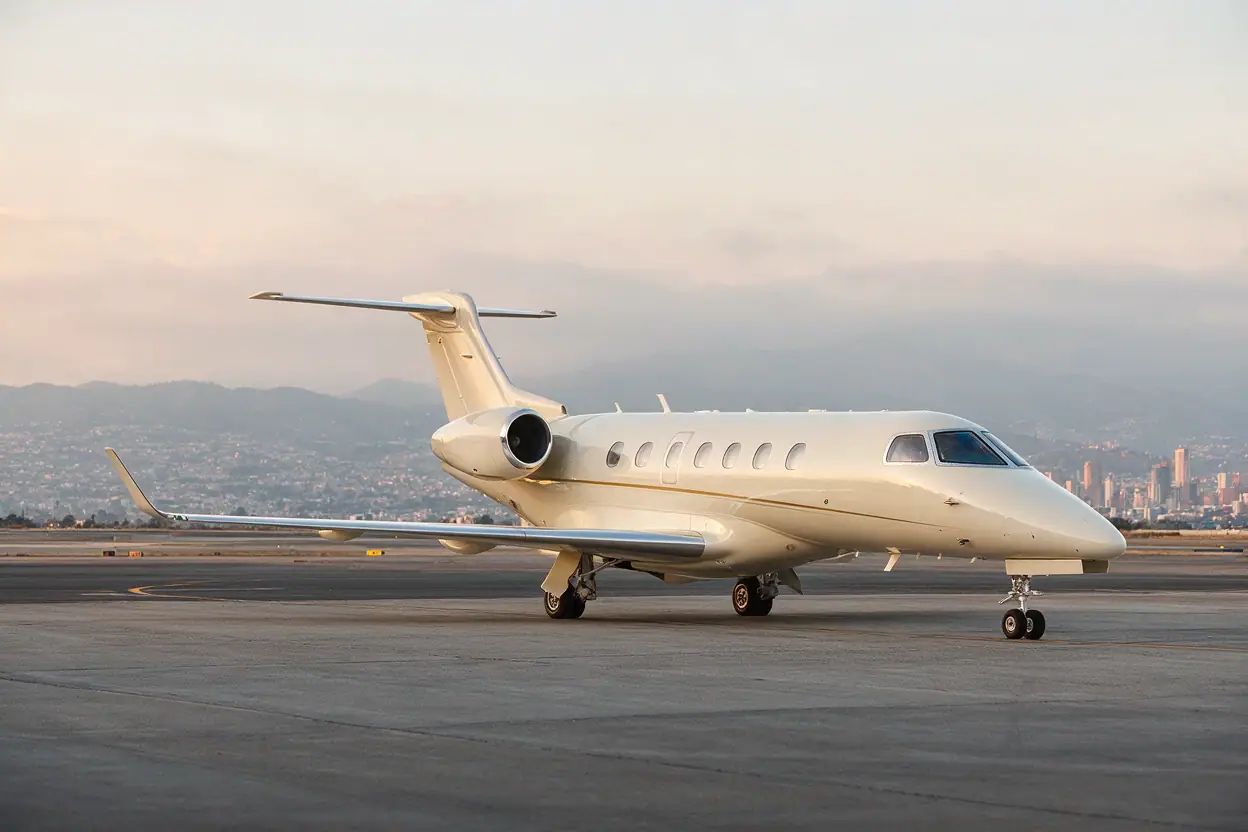
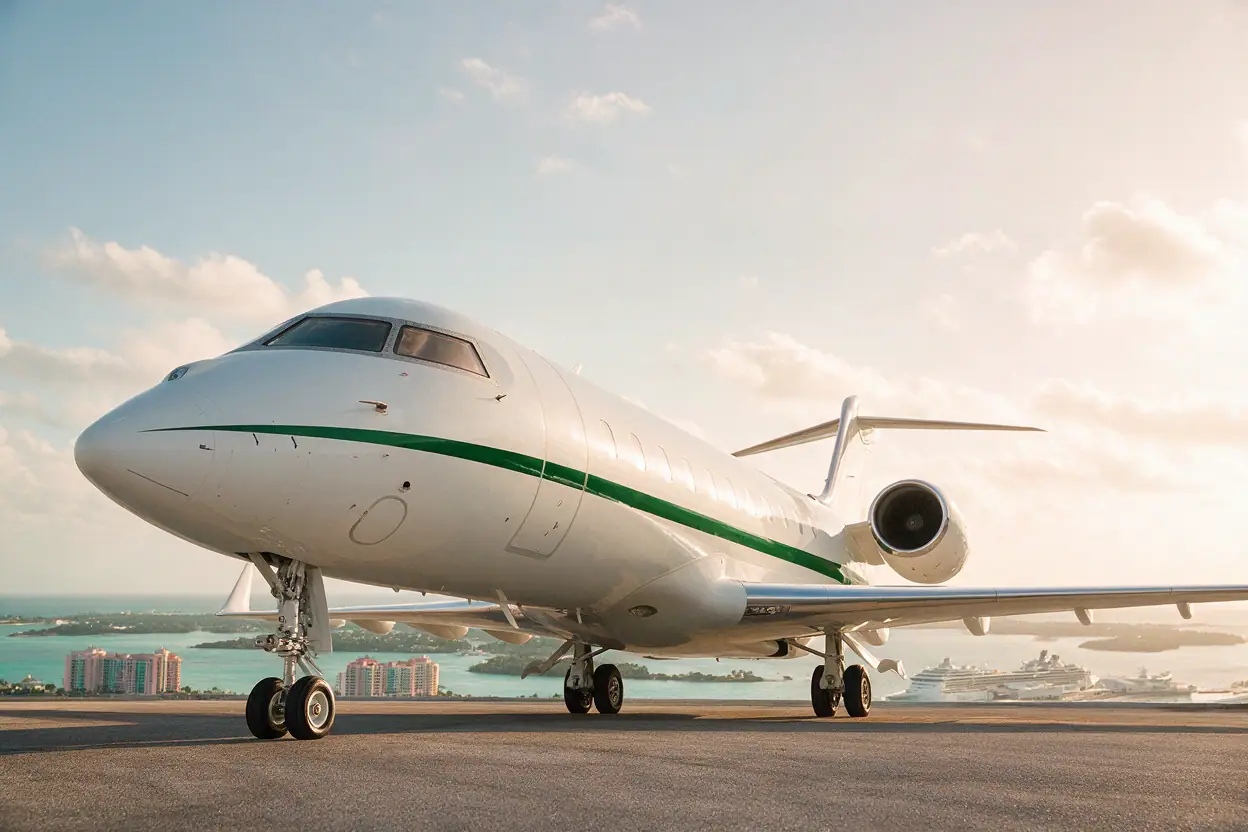
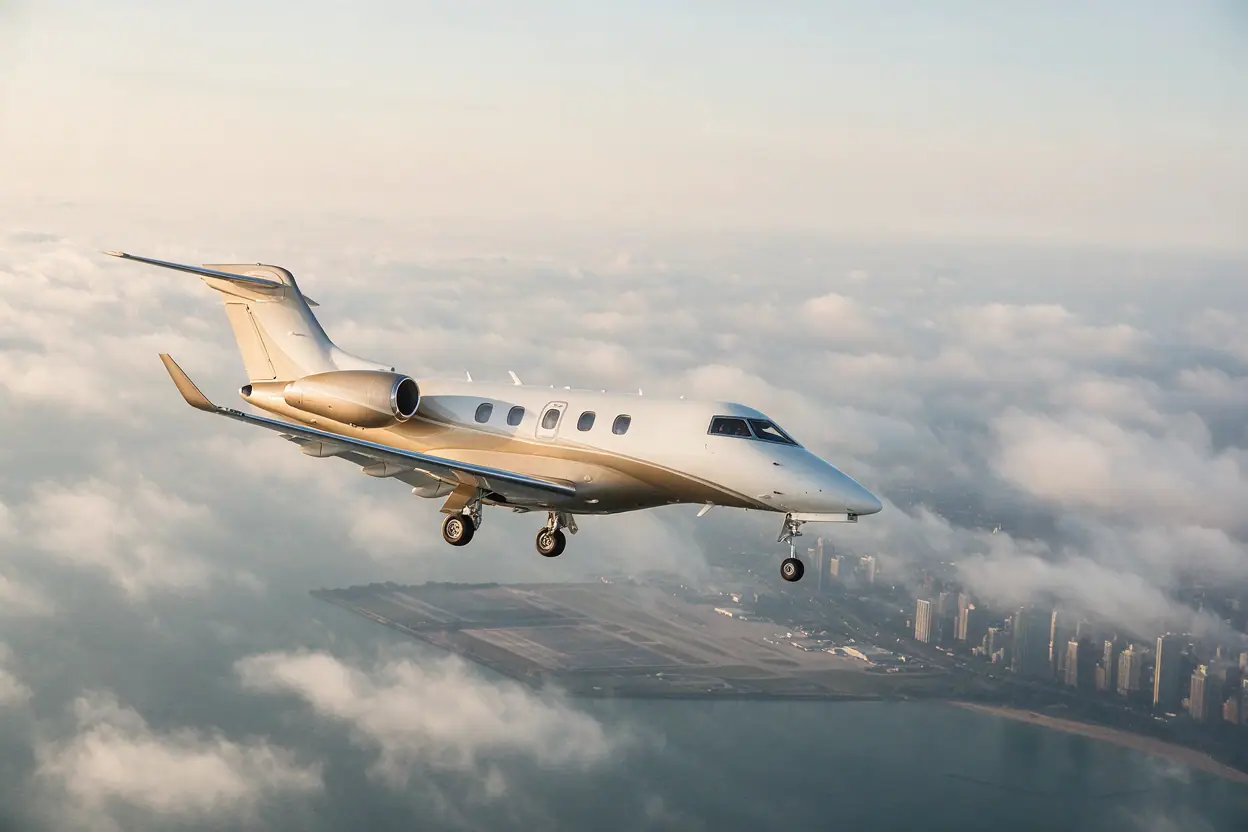

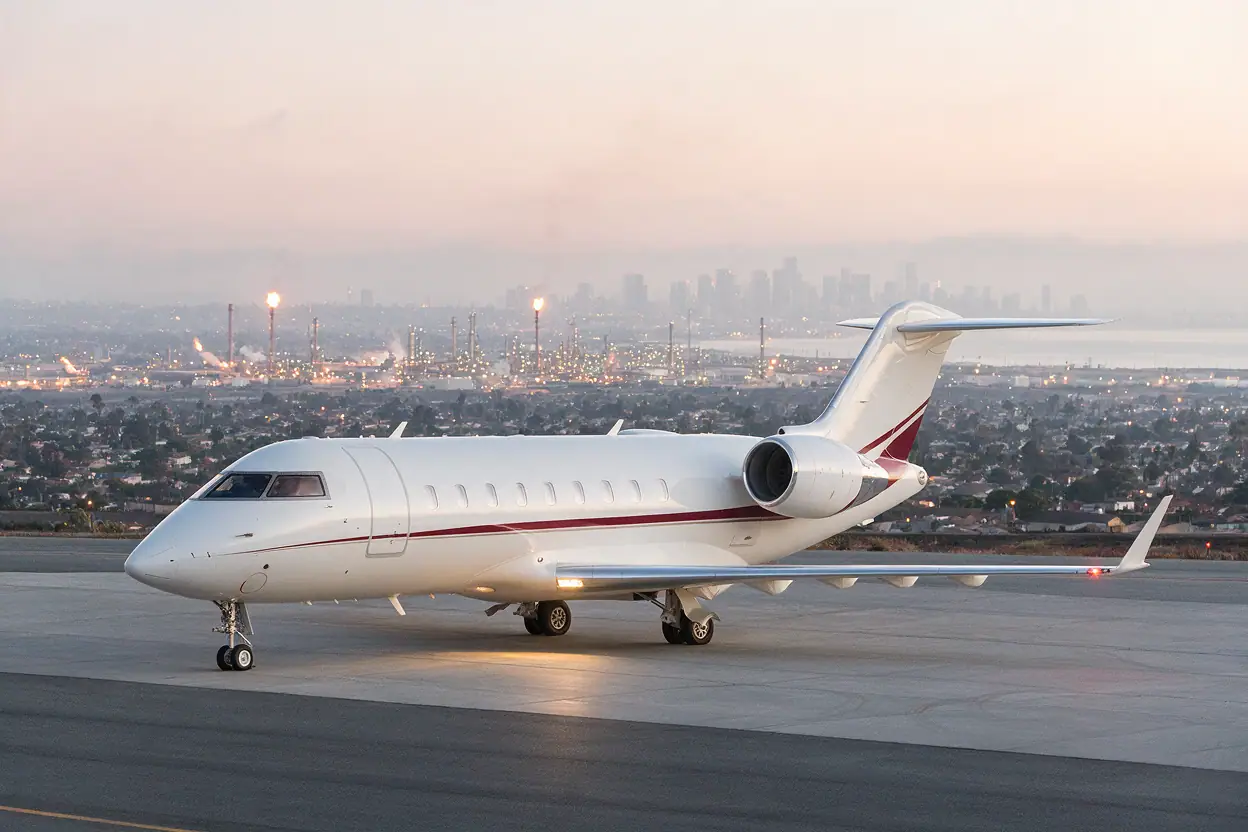


Airports for private air charter
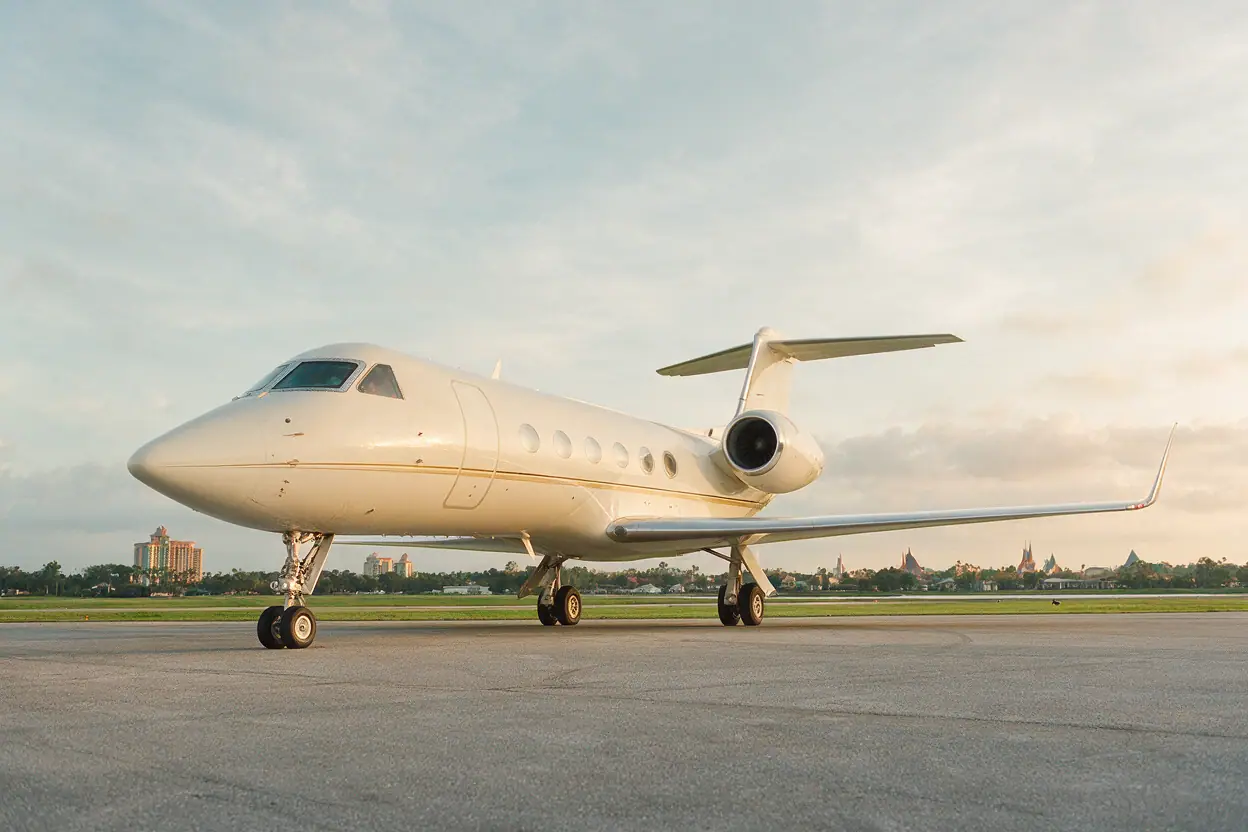
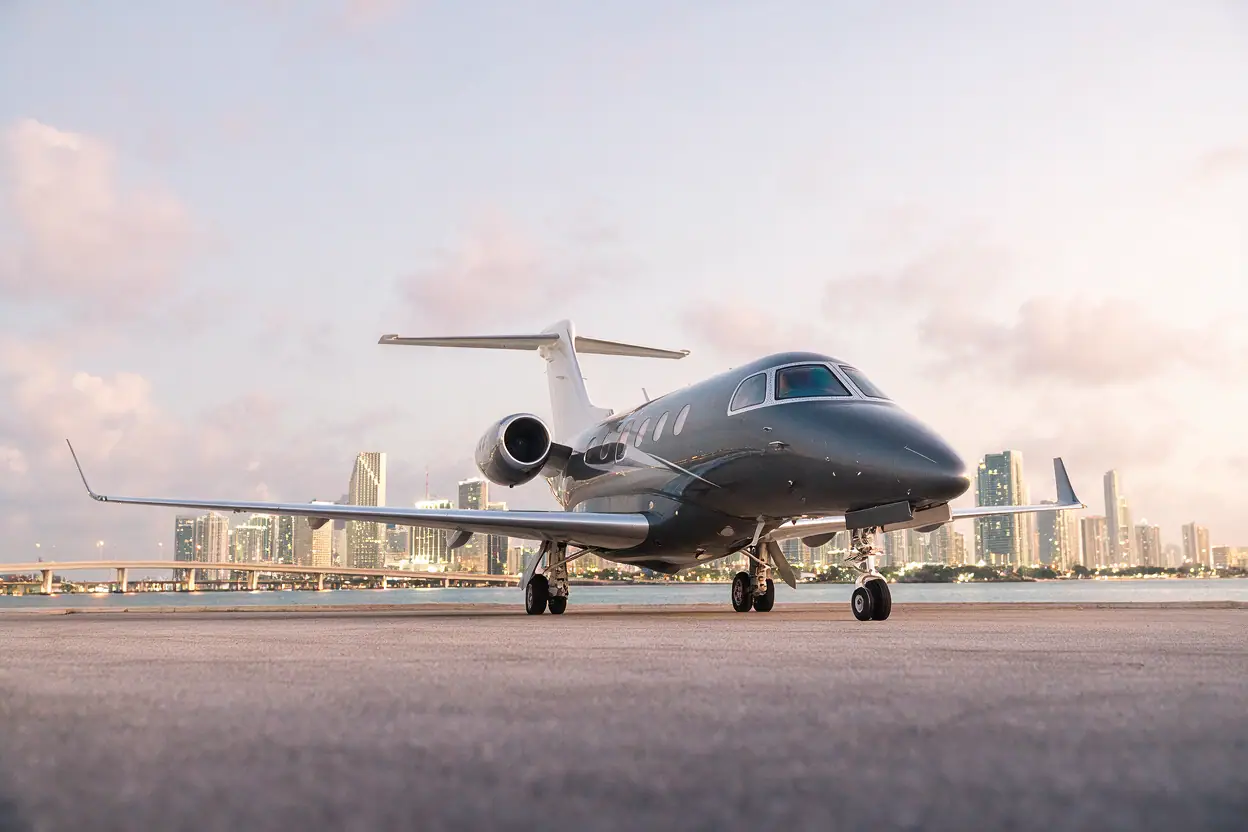
Teterboro serves New York with a 6,997 ft runway and 2,300 ft peak density altitude, and four FBOs on the field handle arrivals. Air charter flights into Teterboro avoid Manhattan traffic, and the field sits nine feet above sea level on a 6,997 ft runway. Chicago Midway, Dallas Love Field and Houston Hobby add 6,522 ft, 8,800 ft and 7,602 ft of runway respectively. Dallas Love Field puts the business terminal a short drive from downtown, and Houston Hobby serves the south side of the metro.
Private charter airports on the coasts include Van Nuys at 8,001 ft and Opa Locka at 8,002 ft. If a route ends outside the country, then CBP clearance is required and only some FBOs on these fields staff it. Ask which one does before you settle the schedule.
Teterboro Airport
- KTEB code
- 6,997 ft rwy length
Teterboro is the standard New York departure point for private air charter flights, nine feet above sea level with a 6,997 ft runway. Jet Aviation, Signature Aviation East and West, and Atlantic Aviation all handle arrivals. Peak density altitude reaches 2,300 ft, so summer takeoffs rarely limit a light jet.

Van Nuys Airport
- KVNY code
- 8,001 ft rwy length
Signature Aviation West, Signature VNY North, Jet Aviation and The Park VNY hold the ramps. Peak density altitude hits 3,800 ft, enough to trim payload on a hot afternoon in a light jet.

Miami-Opa Locka Executive Airport
- KOPF code
- 8,002 ft rwy length
Miami-Opa Locka Executive pairs an 8,002 ft runway with eight feet of elevation and handles Florida and Caribbean legs. Atlantic Aviation, Signature Aviation, Jet Aviation and Fontainebleau Aviation are on the field. Peak density altitude reaches 2,500 ft. Summer thunderstorm cells build fast here and reroute departures.

Chicago Midway International Airport
- KMDW code
- 6,522 ft rwy length
Chicago Midway holds a 6,522 ft runway at 620 ft elevation, with Atlantic Aviation and Signature Aviation on the field. Peak density altitude reaches 2,800 ft, modest enough that summer heat rarely grounds a light jet.

Dallas Love Field
- KDAL code
- 8,800 ft rwy length
Dallas Love Field offers 8,800 ft of runway at 487 ft elevation, with Atlantic Aviation, Jet Aviation, Signature Aviation at Terminal 1 and Jet Access Dallas on the field. Peak density altitude reaches 3,500 ft. Spring hail and summer storms drive the schedule changes.

William P. Hobby Airport
- KHOU code
- 7,602 ft rwy length
William P. Hobby runs a 7,602 ft runway at 46 ft elevation with six FBOs including Wilson Air Center, Million Air Houston and Henriksen Jet Center. Peak density altitude reaches 2,700 ft. Gulf moisture makes August the wettest month at 8.3 inches.

Guides to planning a charter flight
Five guides go deeper than this page. Private jet charter flights covers the quote-to-flight sequence. Private air charter explained sets out what a price includes, from the 7.5% federal excise tax to segment fees. Private jet flight times compares city pairs by class. International charter flights handles passports, CBP clearance and customs airports. Private charter flight cost breaks down hourly rates, minimums and repositioning.
Private jet charter flights
Private jet charter flights explained: times by aircraft for nine routes, 2026 pricing estimates and why private terminals save time on the day you fly.
Private air charter explained
A private air charter guide to jet classes, hourly rates from $2,200 to $14,500, and why quotes stay estimates until an operator confirms aircraft and date.
Private jet flight times
How fast do private jets fly? Cruise speeds run about 300 to 470 knots depending on class, and that pace trims hours from long routes.
International charter flights
International charter flights for 2026: customs airports, passport rules, the $23.40 arrival tax and how jet range decides a fuel stop.
Private charter flight cost
Private charter flights cost $3,800 to $5,800 per hour for a light jet in 2026. See hourly rates by aircraft class and what drives your quote.
Jet classes and the fleet behind them
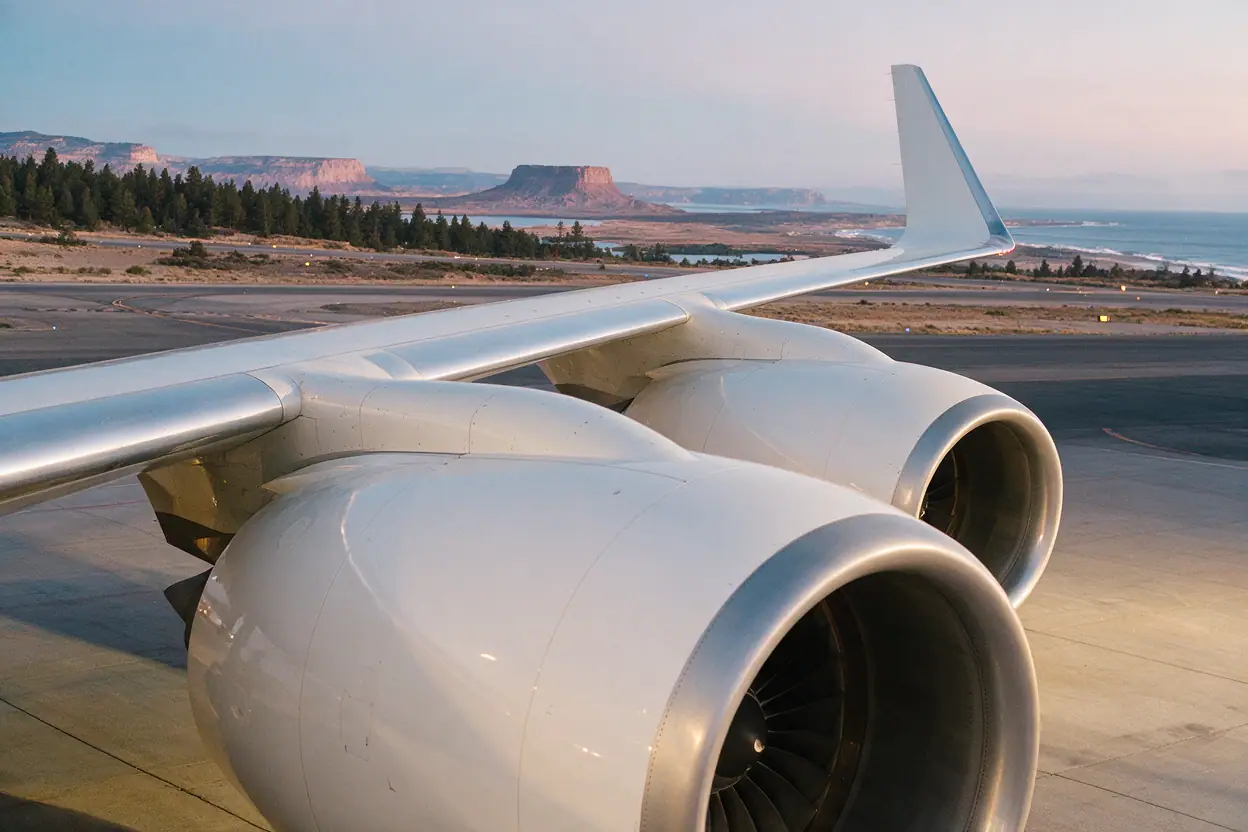
Private air charter flights price off a class ladder, and a turboprop starts at $2,200 an hour with six to eight seats and 1,500 nm of range. A light jet climbs to $3,800 to $5,800 an hour with four to seven seats and 1,400 nm. A midsize jet runs $5,200 to $7,800 with seven to nine seats and 2,100 nm. A super-midsize jet reaches $7,200 to $10,000 with 3,200 nm. A heavy jet tops the ladder at $9,500 to $14,500 with 10 to 14 seats and 4,000 nm.
Charter access draws on a deep pool, and the FAA Part 135 Operators and Aircraft list dated Mar 25, 2026 shows the Pilatus PC-12 as the most listed type at 450 aircraft. The Bombardier Challenger 300/350 follows at 414. A Pilatus PC-12 flies short regional hops on a single engine, and the 450 listing count makes it the most common turboprop on Part 135 certificates. Larger cabins cover longer legs, and a heavy jet reaches Honolulu from Los Angeles without a stop. When you need a very light jet, light jet, midsize jet or super-midsize jet, then the price and the range both rise with the class. Long-range work may need an ultra-long-range aircraft or a VIP airliner such as a Boeing Business Jet, and those quote by the trip.
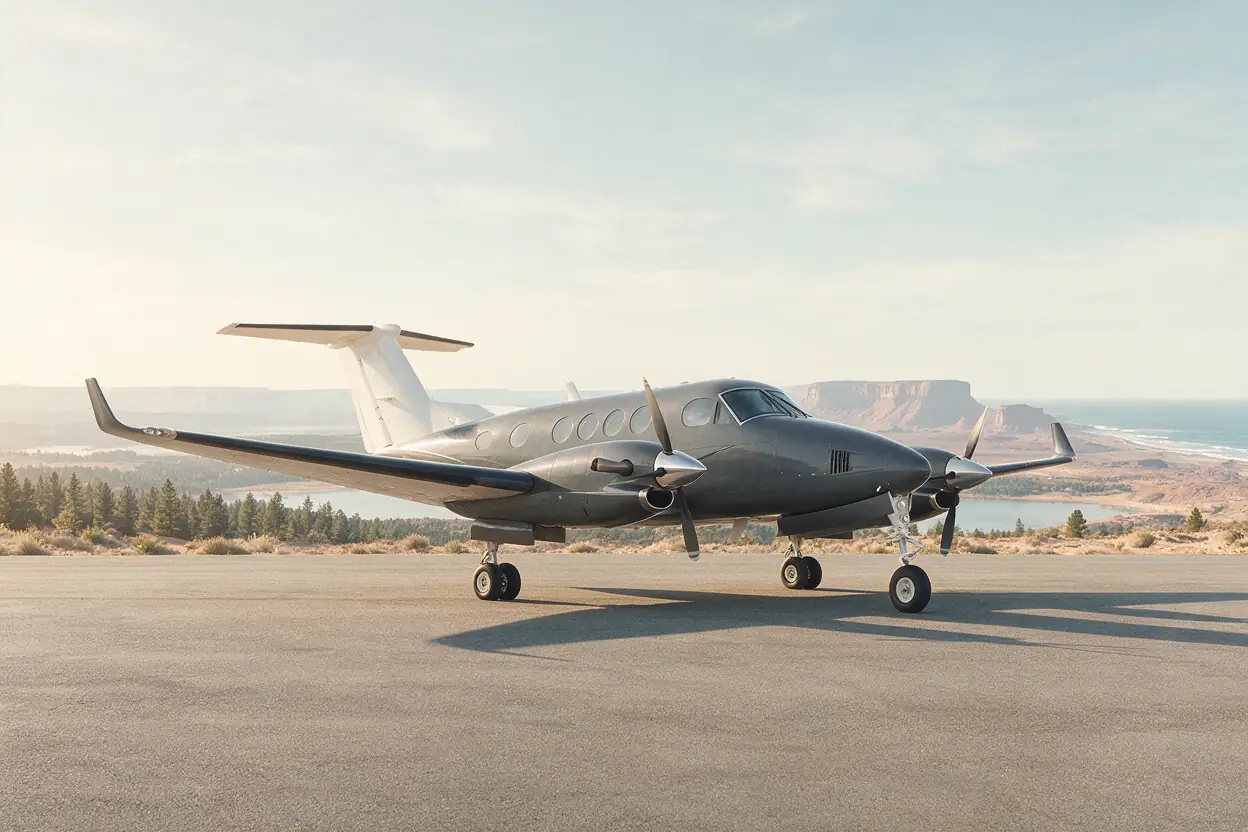
Turboprop
- 6-8 seats
- 300 kt cruise
- 1,500 nm max range
Daher TBM 960, Beechcraft King Air 350i
Light jet
- 4-7 seats
- 430 kt cruise
- 1,400 nm max range
Embraer Phenom 300E, Pilatus PC-24

Midsize jet
- 7-9 seats
- 440 kt cruise
- 2,100 nm max range
Cessna Citation Latitude, Hawker 800XP

Super-midsize jet
- 8-10 seats
- 470 kt cruise
- 3,200 nm max range
Bombardier Challenger 350, Gulfstream G280

Heavy jet
- 10-14 seats
- 470 kt cruise
- 4,000 nm max range
Gulfstream G450, Bombardier Challenger 650
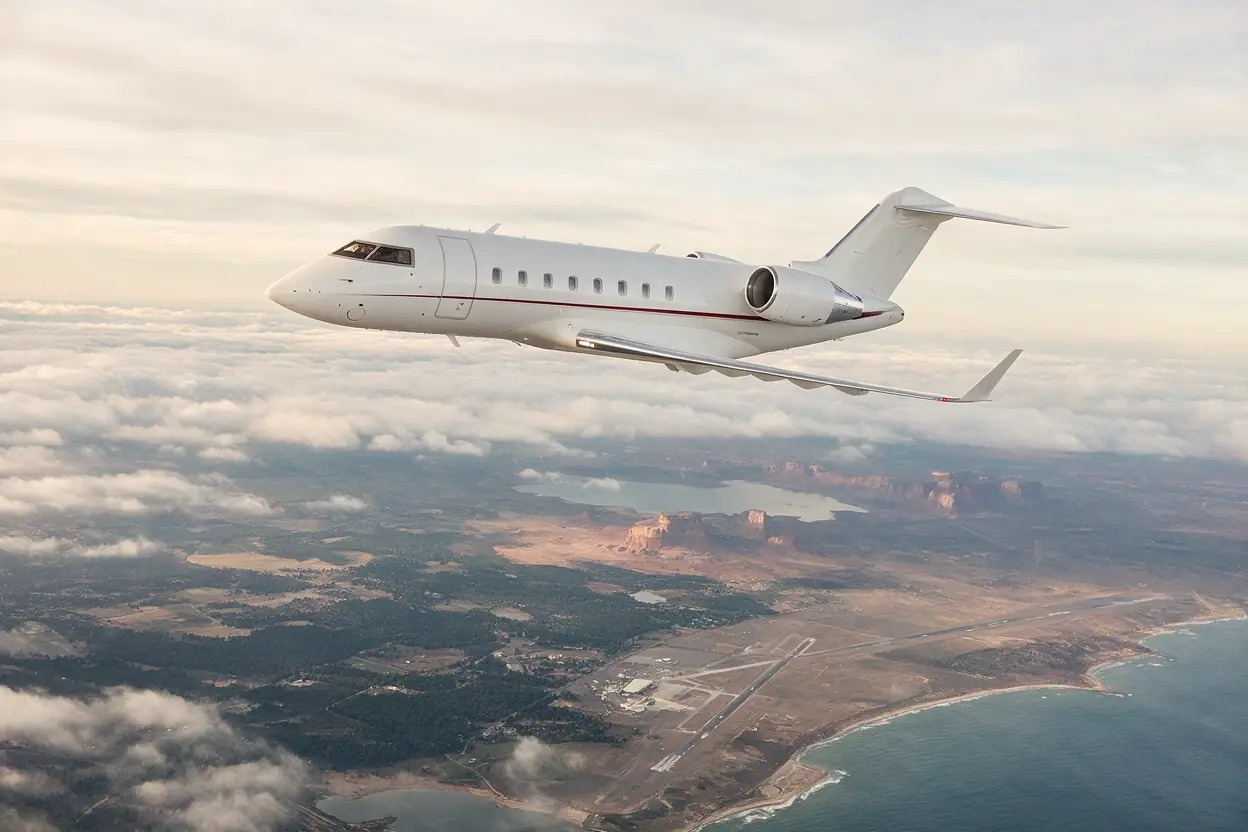
How many of these jets are based in the US
18,165 business jets are on valid US registers. The models seen most often:
Origin: FAA aircraft registry, active registrations only, as of Nov 2, 2026. Models are tallied by type-certificate family.
| Model | Nationwide |
|---|---|
| Bombardier Challenger 300/350 | 868 |
| Cessna Citation Excel/XLS | 733 |
| Cirrus Vision Jet | 702 |
| Embraer Phenom 300 | 660 |
| Cessna CitationJet/CJ1 | 652 |
| Gulfstream IV/G450 | 610 |

Heat and density altitude at Teterboro
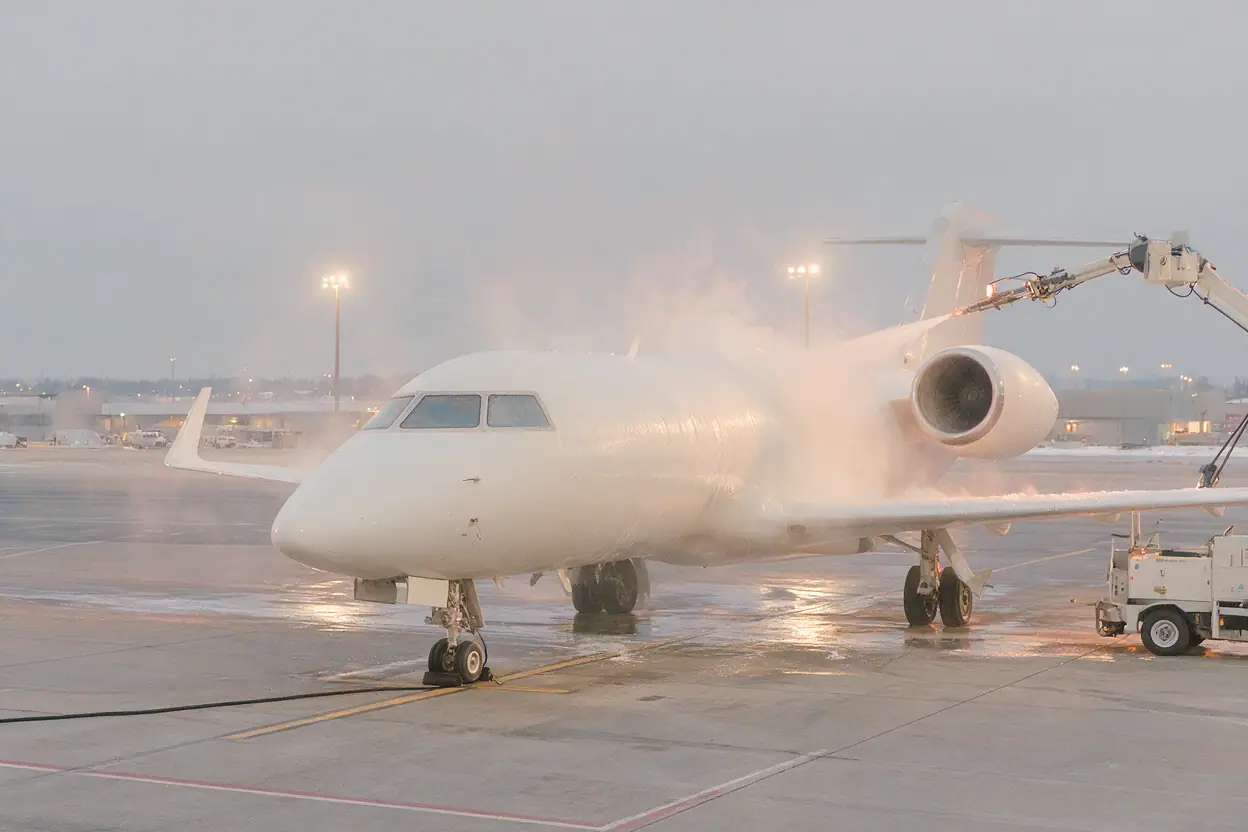
Heat raises density altitude at Teterboro, and July's average high of 85 F lifts the figure to 1,700 ft from a field elevation of nine feet. The peak figure of 2,300 ft comes from the airport's hottest month average high plus 8 F, not a fixed temperature. July's average high of 85 F lifts density altitude to 1,700 ft, and the peak figure of 2,300 ft is set for the hottest month's average high plus 8 F. A light jet at 1,700 ft loses little, while a super-midsize or heavy jet has more margin at that density altitude than a light jet.
If a July departure leaves in the afternoon, then a super-midsize or heavy jet carries the full cabin more comfortably than a light jet at that density altitude. Morning departures in summer run cooler and lift more weight. Winter at Teterboro brings freezing average lows in January, February and December, so de-icing is routine and adds time before departure. July is also the wettest month at 5.7 inches, and summer cells reroute arrivals. Private air charter flights scheduled around a morning departure avoid both the heat penalty and the storm window. When a schedule allows a shift of an hour either way, the aircraft choice widens noticeably.
| Mo. | Typical high | Days with rain | KTEB DA | KVNY DA | KOPF DA |
|---|---|---|---|---|---|
| Jan | 40°F | 9 | -1,300 ft | 1,400 ft | 1,100 ft |
| Feb | 43°F | 11 | -1,100 ft | 1,600 ft | 1,300 ft |
| Mar | 49°F | 10 | -700 ft | 1,700 ft | 1,500 ft |
| Apr | 60°F | 12 | 100 ft | 2,100 ft | 1,700 ft |
| May | 70°F | 11 | 700 ft | 2,200 ft | 1,800 ft |
| Jun | 79°F | 11 | 1,300 ft | 2,700 ft | 1,900 ft |
| Jul | 85°F | 13 | 1,700 ft | 3,200 ft | 1,900 ft |
| Aug | 83°F | 12 | 1,600 ft | 3,300 ft | 1,900 ft |
| Sep | 77°F | 10 | 1,200 ft | 3,000 ft | 1,900 ft |
| Oct | 66°F | 9 | 500 ft | 2,700 ft | 1,700 ft |
| Nov | 54°F | 9 | -300 ft | 2,000 ft | 1,400 ft |
| Dec | 45°F | 11 | -900 ft | 1,500 ft | 1,200 ft |
Rain days count when precipitation reaches 1 mm or more. Density altitude is figured at the typical afternoon high using a rule-of-thumb formula. Operators rely on their own performance figures.
Weather by month at charter airports
Miami's wettest month is June at 11.9 inches, and Los Angeles sees no measurable rain in June at all. New York peaks in July at 5.7 inches and Philadelphia in July at 6 inches.
If your trip lands in January, February or December, then New York, Chicago and Philadelphia all carry freezing average lows and your aircraft needs de-icing before departure. Orlando and Houston never do. Orlando peaks in September at 9.6 inches, the tail of the Atlantic hurricane season, while Houston peaks in August at 8.3 inches. Los Angeles sees the least moisture of the cities on this page, at 16 inches a year. Charters booked in a wet month should keep an alternate airport in mind, and a nearby field within 30 miles often clears while the first choice does not.
| City | Wettest month | Driest month | Precipitation per year | Months with freezing average lows |
|---|---|---|---|---|
| New York | Jul (5.7 in) | Nov (3 in) | 51.2 in | Jan, Feb, Dec |
| Los Angeles | Feb (3.5 in) | Jun (0 in) | 16 in | none |
| Miami | Jun (11.9 in) | Mar (1.8 in) | 77.6 in | none |
| Chicago | Jul (5.6 in) | Nov (2 in) | 41.4 in | Jan, Feb, Dec |
| Dallas | May (5.8 in) | Jul (1.9 in) | 44.5 in | none |
| Houston | Aug (8.3 in) | Feb (2.7 in) | 58.6 in | none |
| Philadelphia | Jul (6 in) | Nov (2.9 in) | 50.2 in | Jan, Feb, Dec |
| Orlando | Sep (9.6 in) | Feb (1.5 in) | 59.1 in | none |
Source: PRISM monthly climate data via NOAA Regional Climate Centers (ACIS), monthly averages 2016 to 2025, at each city's main business airport.
How a quote turns into a flight
Send the trip details
Give the route, the date, the passenger count and whether you want one-way, round-trip or multi-city.
Compare aircraft and operators
You will see more than one class and more than one operator for the same trip. Ask about ARGUS, Wyvern and IS-BAO ratings, which tell you how an operator's safety and maintenance records have been audited. A high rating is a question to ask, not a guarantee.
Confirm the price in writing
The quoted figure holds once the aircraft, crew and date are named. Ask what the price covers: the 7.5% federal excise tax, segment fees and any repositioning leg. Some quotes add a peak-day surcharge or fall inside blackout dates on a card program.
Fly from the FBO
Arrive at the FBO rather than a commercial terminal, so no TSA screening line applies. Bring identification for every passenger, and a passport for any leg that clears CBP on return. Ask the FBO whether customs is staffed if the route leaves the country.
How the estimates were worked out
Every figure here is arithmetic, not a quote. Distance is great-circle range plus a 5% routing allowance, flown at the class cruise speed from the range table, plus 0.3 hours for taxi, climb and descent. That block time is billed at the class hourly range, with a one-hour minimum per segment. Route prices use both ends of the hourly band. The weather figures come from PRISM / NOAA Regional Climate Centers monthly averages for 2016 to 2025. The aircraft counts come from the FAA Part 135 Operators and Aircraft list dated Mar 25, 2026. Airport runway, elevation and density altitude figures are drawn from airport records shown in the table.
This site arranges charter as a broker and every flight is flown by an FAA Part 135 certificated operator. Prices are estimates until an operator confirms the aircraft, crew and date, and a comparison of quotes falls under DOT Part 295. Links to the FAA registry, the FAA Part 135 list and PRISM / NOAA sit under each table, alongside the about and contact pages.
Questions to ask
How much do private air charter flights cost?
New York to Miami quotes $10,000 to $15,000 in a light jet for 2h 37m. Turboprops start lower at $2,200 an hour, and heavy jets reach $14,500. Prices are estimates until an operator confirms the aircraft and date.
How much does it cost to charter a private plane for one hour?
One hour bills at the class rate, with a one-hour minimum per segment. A light jet runs $3,800 to $5,800, a midsize jet $5,200 to $7,800, and a super-midsize jet $7,200 to $10,000. Short flights cost more per hour than long ones because taxi, climb and descent eat a larger share of the clock. A 199 nm hop near the $4,000 floor is the pattern.
How much is a 3 hour flight on a private jet?
Three hours of light jet time lands between $11,400 and $17,400 at the class rate, before tax and fees. A route near that length is New York to Miami at 2h 37m, which quotes $10,000 to $15,000 one way. A midsize jet on the same trip runs higher on the hourly rate but close on total time.
Why does a Los Angeles to Honolulu charter need a larger jet?
The distance is 2,217 nm, and a light jet's typical range is 1,400 nm, so a light jet cannot fly it without a fuel stop. A midsize jet at 2,100 nm also falls short.
What does a 25-hour jet card cost, and is it worth it?
The arithmetic on a 25-hour card runs $95,000 to $145,000 at the light jet hourly range of $3,800 to $5,800, before tax and fees. That is arithmetic, not a quoted figure. Block hours suit a traveler with a predictable annual schedule, while blackout dates and a one-hour minimum can reduce the value on short trips. Ask about both before you commit.