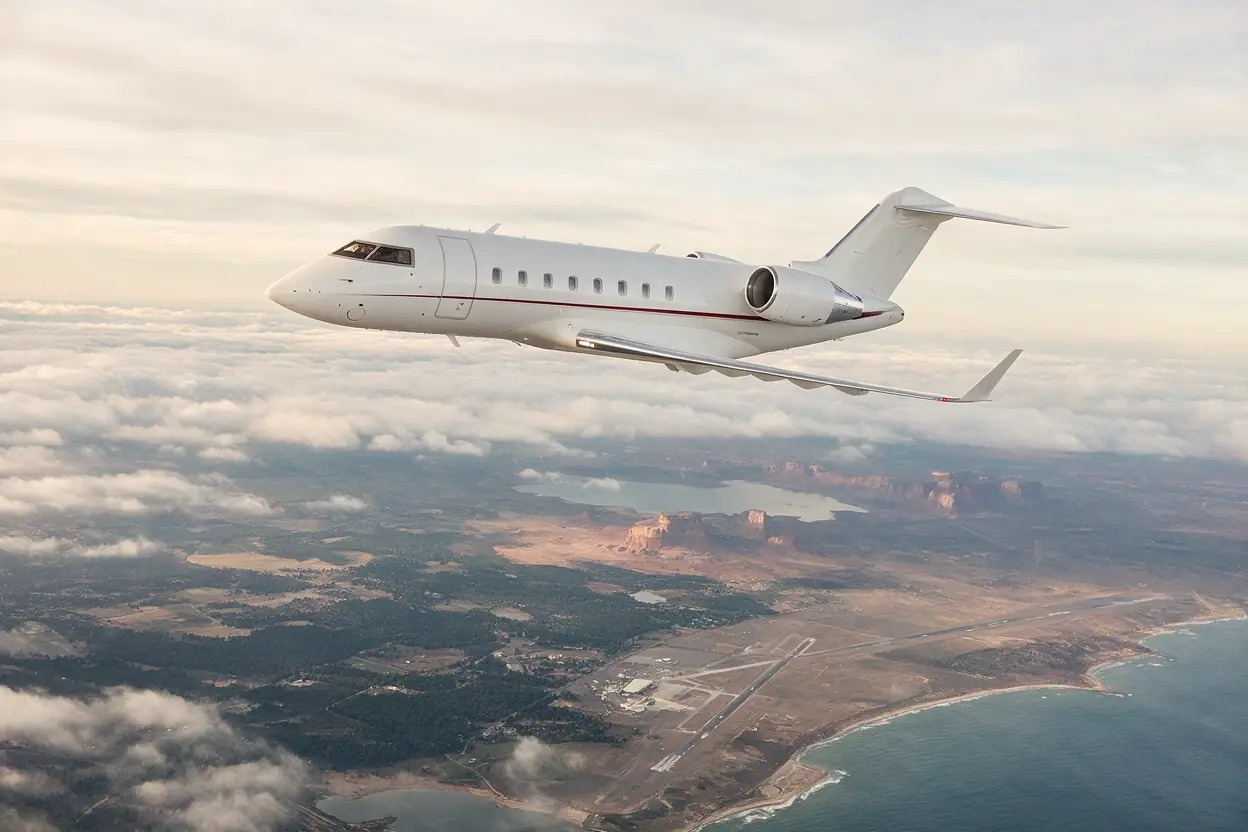
Private air charter flights from Charlotte
Private air charter flights from Charlotte usually begin at Charlotte Douglas International. That field sits at 748 feet with a 10000-foot runway. Aircraft choice, summer heat and route length drive the rest.
- Start
- Charlotte
- 1field
- 0priced routes
Most Charlotte legs start at Charlotte Douglas International, where the field elevation is 748 feet and the longest runway runs 10000 feet. A 10000-foot runway at Charlotte Douglas gives loaded jets real margin in July heat and is why the field handles the aircraft it does. On the hottest afternoons density altitude climbs well past the field elevation, so a light jet bound for a short mountain strip may need a fuel stop it would skip in March.
The routes that dominate this market are regional. Atlanta, Nashville, Raleigh, Savannah, Charleston and the DC area are short hops that suit a turboprop or light jet and often make sense for a group of five or six. A turboprop cruising near 300 knots covers most Southeast legs from Charlotte in under two hours and keeps the hourly cost down. Longer legs, the Rockies, South Florida in winter, the Northeast corridor, move you into midsize and super-midsize aircraft where cabin comfort on a three-hour flight starts to count.
Summer is the constraint here, not winter. July and August highs average near 91 and 88 with 13 and 14 wet days, and afternoon storms at CLT build fast and close departure windows. If your schedule is fixed around a Charleston wedding or a fall football weekend, then booking earlier buys you more aircraft to choose from rather than a cheaper rate. Charlotte banking and motorsports calendars pull aircraft out of the local pool on short notice when race weekends and corporate travel collide.

Request an estimate
Choose an itinerary, number of travelers and luggage to view the suitable class, duration and an approximate price.
How to arrange a charter from Charlotte
Define the mission before the aircraft
Give the passenger count, the bags, and the destination airport, not just the city. A ski trip into a short mountain runway and a business day in Chicago are different aircraft, and knowing which one you are flying keeps the quote honest.
Choose the airport, not just Charlotte
Charlotte Douglas handles the jets, but a smaller field closer to your side of town may save ground time on a short regional leg. Ask what the drive and the ramp access look like before you commit to Charlotte Douglas for a 40-minute hop.
Compare quotes on the same terms
Ask each quote to state the aircraft type, the year, the crew duty time, and what the hourly figure includes. Two midsize numbers that differ by a thousand dollars an hour rarely cover the same trip.
Plan the summer departure window
For July and August, aim for morning departures out of CLT. Afternoon heat and storm cells are what delay aircraft here. An early slot in July avoids the density altitude and storm window that grows after midday.
Airports serving Charlotte

Charlotte flying conditions by season
Charlotte's climate shapes the charter calendar more than most travelers expect. Monthly highs climb from 51 in January to 91 in July, and wet days peak at 14 in August. Winter legs from Charlotte are rarely weather-limited at the surface, while summer afternoons produce holding and diversion instead. The elevation at Charlotte Douglas is modest at 748 feet, but heat still thins the air enough to affect takeoff performance on a fully loaded jet. If you are flying internationally, then build in time for CBP processing on the return, which is a fixed step rather than something a charter can skip. For a domestic trip the day is short: arrive, board, and go. Each charter flight out of Charlotte clears TSA rules only if you are leaving from a commercial terminal, which private departures are not, so allow for the FBO side instead.
| Mo. | Typical high | Days with rain |
|---|---|---|
| Jan | 51°F | 10 |
| Feb | 57°F | 11 |
| Mar | 64°F | 10 |
| Apr | 72°F | 8 |
| May | 80°F | 10 |
| Jun | 88°F | 11 |
| Jul | 91°F | 13 |
| Aug | 88°F | 14 |
| Sep | 83°F | 9 |
| Oct | 73°F | 7 |
| Nov | 62°F | 8 |
| Dec | 55°F | 9 |
FAQ
Which airport do private air charter flights from Charlotte use?
Charlotte Douglas International, KCLT, is the main field, with an elevation of 748 feet and a longest runway of 10000 feet. It handles turboprops through heavy jets. For some short regional legs a nearby smaller field may cut your ground time, so ask which airport actually suits your destination and your side of the city before you commit.
How much does a private air charter flight from Charlotte cost?
Rates run from about $2,200 to $3,500 an hour for a turboprop up to $9,500 to $14,500 for a heavy jet. Light jets are roughly $3,800 to $5,800 an hour and midsize $5,200 to $7,800. These are estimates, and short legs carry a floor cost that makes the hourly rate less useful than on a longer trip.
How does summer heat affect departures from Charlotte?
July density altitude at Charlotte Douglas reaches about 3100 feet, based on the hottest month's average high plus 8 F. That reduces lift and climb performance on a fully loaded aircraft. The 10000-foot runway gives most jets room, but mountain destinations and short runways may require a fuel stop or a different aircraft in midsummer.
When should I book a charter flight out of Charlotte?
Book as early as your plans allow, especially for July and August, when 13 and 14 wet days respectively mean afternoon storms disrupt schedules. Fall weekends around Charlotte events also tighten local aircraft supply. Earlier booking gives you more aircraft to choose from and more flexibility on departure times rather than a lower price.
Which aircraft suits a short regional leg from Charlotte?
For Atlanta, Nashville, Raleigh or Savannah, a turboprop at roughly 300 knots or a light jet at 430 knots is usually enough, and both keep the hourly cost well below a midsize. If the group is larger than seven or the bags are heavy, then step up a class rather than squeeze the cabin on a hot afternoon.
Do international flights from Charlotte need extra planning?
Yes. If the return leg crosses a border, then CBP processing is built into the schedule and adds a fixed step the charter cannot compress. Tell the broker up front so the crew can plan the arrival airport and timing. Domestic legs skip that entirely, which often makes a same-week domestic trip realistic when an international one is not.